
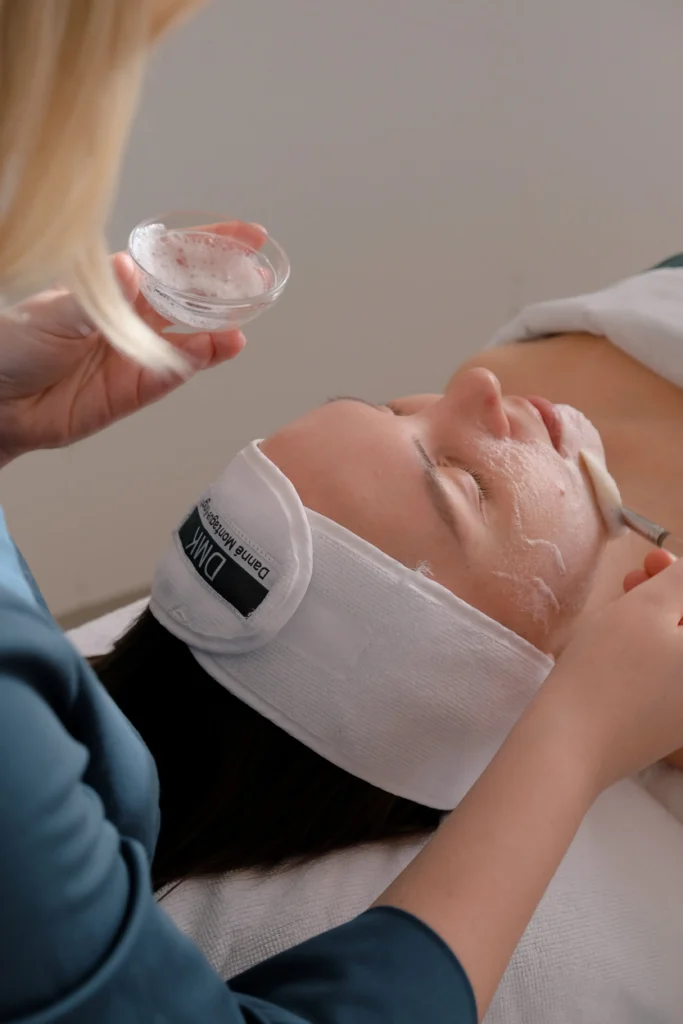
In Vancouver, skin can feel very different from one part of the year to another. Cool, rainy weeks, heated indoor spaces, brighter summer days, travel, and changes in routine can all influence comfort, texture, and how well familiar products seem to work. Individual responses vary: some people notice tightness or temporary flaking in colder months, while others experience dehydration even when their skin still produces oil.
The most useful response is not automatically the strongest facial. Professional treatment should be selected for the skin’s current condition, recent history, sensitivities, and goals. This guide explains the difference between dryness and dehydration, how seasonal conditions may affect the way skin feels, and how to approach facial treatments in Vancouver without turning a cosmetic concern into a diagnosis. If you are comparing options, you can also explore Topaz facial treatments before deciding what to book.
Why Skin Can Feel Different Throughout the Year in Vancouver
Vancouver weather does not affect every person in the same way, and outdoor humidity does not guarantee that skin will feel hydrated. Seasonal temperature shifts often arrive alongside changes in indoor environments, sun exposure, activity, and daily habits. During colder months, time spent in heated rooms can leave some people noticing a tighter or less comfortable surface. Wind, frequent transitions between indoor and outdoor air, or a change in cleansing habits may add to that feeling.
During brighter months, more time outdoors can increase sun exposure, while air conditioning, swimming, or travel may change how the skin behaves. Sunscreen use and a suitable home routine remain important throughout the year. These factors do not mean the weather has caused a skin condition; they simply help explain why the same routine or facial may not feel equally appropriate at every visit.
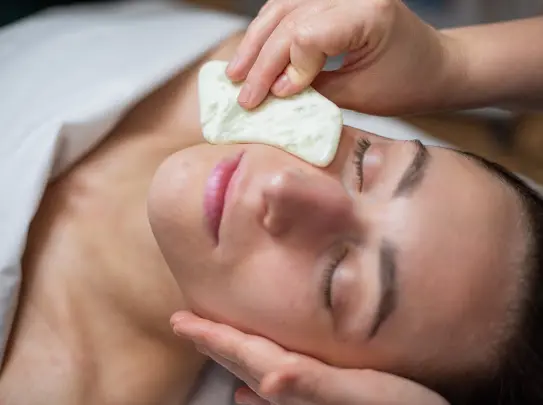
Dry Skin vs. Dehydrated Skin: What’s the Difference?
Dry skin
Dry skin generally describes skin that produces less oil or has fewer surface lipids. It may feel persistently rough or tight and can benefit from care that supports comfort and replenishes the surface.
Dehydrated skin
Dehydrated skin refers to lower water content. It is a temporary condition that can appear across different skin types, including skin that is oily or combination.
The two can overlap, and their visible signs are not always easy to separate at home. Skin can look shiny in some areas yet feel tight after cleansing, or it can feel dry because a routine contains more exfoliation than the skin currently tolerates. These descriptions are useful for treatment planning, but they are not medical diagnoses. A professional skin analysis can help distinguish a naturally dry pattern from temporary dehydration or sensitivity.
Signs Your Skin May Need a More Hydrating Approach
Some people consider a more hydration-focused facial when they notice a tight feeling, dull appearance, rough-feeling texture, temporary flaking, or makeup sitting differently than usual. Skin may also feel more easily irritated by products that were previously comfortable. Any one sign can have several explanations, so it is better treated as information to discuss than proof of a particular condition.
Choosing a Facial for Dry or Dehydrated Skin in Vancouver
A useful facial for dry or dehydrated skin should begin with the condition in front of the practitioner, not a label chosen weeks earlier. At Topaz, the Topaz Signature Custom Facial is designed after an in-depth skin analysis rather than following one preset protocol. Its steps can be selected around the skin on the day, with professional cleansing, suitable skincare, massage when appropriate, and finishing care.
That flexibility matters because a person seeking a hydrating facial in Vancouver may also have congestion, sensitivity, or a recent history of active products. A gentle, hydration-focused appointment may involve little visible recovery, while extractions or exfoliation can lead to temporary redness or sensitivity. The goal is not to include every available step; it is to choose only what is appropriate and explain the expected response before proceeding.
What About Sensitive or Reactive-Feeling Skin?
“Sensitive” can describe many experiences: warmth, stinging, easy flushing, or skin that has recently become less tolerant of products. It does not identify a cause on its own. Before a professional facial in Vancouver, share recent reactions, prescription or active products, allergies, recent procedures, and any known skin conditions. This information can change the treatment plan.
More intensive exfoliation or active treatment may not be the first choice when the barrier feels irritated. A practitioner may adapt the appointment, keep the routine simple, recommend waiting, or suggest that you seek medical guidance first. If you are unsure what to choose, the Initial Consultation with Skin Analysis is a dedicated planning appointment rather than a full facial. It is intended to clarify current concerns, routine, and suitable next steps.
When Exfoliation Can Help — and When Less May Be More
Hydration-focused care and exfoliating treatment have different purposes. A gentler facial may prioritize comfort, suitable cleansing, masks or finishing products selected for the skin, while exfoliation removes surface buildup to support a smoother or brighter-looking appearance. Stronger is not automatically better, especially when the skin already feels tight or reactive.
Topaz currently offers a Custom Chemical Peel selected after assessment and an iS Clinical Fire & Ice Facial with a warming resurfacing phase followed by a cooling, hydrating phase. Neither should be treated as a default facial for dry or sensitive-feeling skin. Current barrier condition, recent retinoids or acids, medications, sun exposure, previous reactions, and recovery needs all matter. For a broader comparison of treatment approaches, read the guide to choosing the right facial treatment.
How to Support Your Skin Between Facial Appointments
Home care does not need to become complicated when the weather changes. A conservative routine can help you observe what the skin actually tolerates:
- Use a gentle cleanser and avoid repeatedly stripping the skin in pursuit of a “squeaky clean” feeling.
- Apply a moisturizer that feels comfortable and suitable for your skin.
- Avoid stacking multiple scrubs, acids, or other exfoliating products without a clear reason.
- Use daily sun protection and reapply as appropriate for your time outdoors.
- Introduce one active product at a time and pay attention to changes in comfort.
- Pause experimentation when the skin feels unusually reactive and ask for professional guidance.
This is general Vancouver skincare guidance, not a personalized medical plan. Products that suit one person may not suit another, and a professional should know about prescriptions or a diagnosed condition before recommending treatment.
How Often Should You Get a Facial?
There is no single interval that works for everyone. Frequency depends on the treatment type, current skin condition, goals, home routine, recovery, and professional assessment. A gentle customized facial and a professional peel do not have the same purpose or aftercare, so they should not automatically follow the same schedule.
Seasonal changes can also be a reason to reassess rather than simply repeat. If the skin feels comfortable and stable, the previous plan may still make sense. If it feels tight, reactive, or different after a routine change, the next appointment may need a gentler direction or more time between active treatments.
Choosing a Facial Studio in Vancouver
When comparing Vancouver facial treatments, look for a studio that asks about current products, sensitivities, recent procedures, health history, and realistic goals. Treatment selection should be individualized, and the practitioner should explain pre-care, aftercare, possible temporary reactions, and any reason to postpone. Clear communication about contraindications is more useful than promises that one facial is suitable for everyone.
Topaz describes its approach as treatment selected around the individual client and the skin’s condition on the day. The Signature Custom Facial is not a fixed sequence, while the consultation offers a separate starting point for people who want a plan before booking. You can learn more about Topaz Facial Studio and its treatment-led approach in Kitsilano.
Facial Treatments at Topaz Facial Studio in Vancouver
Topaz Facial Studio offers personalized facial care in Vancouver, including customized facials, consultation-led exfoliation options, professional skin analysis, and hands-on facial massage services. The most relevant choice depends on what the skin needs now, not on choosing the longest or most intensive appointment.
If dryness, dehydration, or sensitivity is making the menu difficult to navigate, start with the treatment overview and share recent changes before your appointment. You can book an appointment through the existing Topaz booking system, or choose a consultation when you want dedicated guidance first.
Frequently Asked Questions
What facial is best for dry skin in Vancouver?
There is no single best facial for every person with dry-feeling skin. The appropriate choice depends on whether the skin is naturally dry, temporarily dehydrated, reactive, congested, or affected by current products and recent treatments. At Topaz, a customized facial can be shaped around the skin on the day, while a separate skin consultation is available when you want guidance before choosing a service.
Can oily skin also be dehydrated?
Yes. Oil and water are different parts of skin condition, so skin can produce noticeable oil while still feeling tight, dull, or temporarily depleted of water. That is one reason treatment selection should look beyond a simple dry-or-oily label. A professional assessment can consider oil production, hydration, texture, sensitivity, current products, and recent environmental changes together.
Are exfoliating facials suitable for sensitive skin?
Sometimes, but suitability depends on the current condition of the skin and the type and intensity of exfoliation. Skin that feels irritated or unusually reactive may need a gentler approach first. Share recent reactions, active products, prescriptions, sun exposure, and professional treatments before the appointment so the practitioner can decide whether to adapt, postpone, or choose a different service.
How often should I get a facial in Vancouver?
There is no universal schedule. Frequency depends on the service, your current skin condition, your goals, recovery requirements, and what you use at home. Seasonal changes may also affect what feels appropriate. Rather than booking the same facial at a fixed interval automatically, ask how each appointment fits into a realistic plan and whether the next visit should be gentler, more targeted, or spaced farther apart.
Should I change my facial treatments with the seasons?
You may not need a completely different treatment every season, but it can be useful to reassess how your skin feels. Indoor heating, brighter weather, travel, changes in routine, and recent sun exposure can all influence comfort and treatment tolerance. A flexible facial plan can place more emphasis on hydration, calming care, or carefully selected exfoliation when appropriate, without assuming that weather affects everyone in the same way.
If your skin needs a flexible starting point as conditions change, explore the Topaz Signature Custom Facial, or begin with a skin-analysis consultation.