
In Vancouver, visible pigmentation can become more noticeable after brighter months, outdoor activity, travel, or years of incidental sun exposure. Dark spots, uneven-looking tone, and marks left after breakouts may look similar at first glance, but they do not necessarily respond to the same type of professional treatment.
Choosing a pigmentation treatment in Vancouver should begin with what the discoloration looks like, when it appeared, current skin condition, treatment history, and tolerance for recovery. Stronger is not automatically better. A thoughtful plan separates ordinary facial care from targeted procedures and recognizes when a changing spot needs medical assessment. This guide explains the current options at Topaz Facial Studio without trying to diagnose skin from a description.
Why Pigmentation Is Not One Single Skin Concern
Uneven colour can appear for several reasons. Some people notice freckles or brown spots that become more visible after repeated sun exposure. Others see lingering marks after a breakout has settled, or patchy tone following irritation. Hormonal influences and uneven melanin activity can also affect how discoloration appears. These possibilities matter because a light-based treatment, a depigmentation program, a professional peel, and a texture-focused procedure do not work in the same way.
Appearance alone cannot reliably identify the cause or depth of pigment. Melasma should not be diagnosed from a photograph or symptom list. A skin consultation can review cosmetic goals and suitability, but it does not replace medical diagnosis. New, changing, bleeding, or otherwise concerning spots should be examined by an appropriate healthcare professional before cosmetic treatment.
How Sun Exposure Can Affect Uneven Skin Tone
Sun exposure accumulates through ordinary life, not only during a beach day. Walking, cycling, hiking, skiing, gardening, commuting, and time near windows can all contribute to a person’s overall exposure. In Vancouver, cloud cover and mild temperatures can make the sun feel less intense, but UV radiation can still reach the skin on cloudy days. That does not mean every outdoor activity creates a new dark spot; it means protection remains relevant even when the air feels cool.
Visible pigmentation may become more noticeable after periods of increased exposure, particularly in brighter spring and summer months or after travel. Individual responses vary. A useful consultation includes recent tanning or sunburn, outdoor plans, and the ability to follow aftercare, because these details can affect both treatment timing and the risk of unwanted colour changes.
Can Different Types of Pigmentation Need Different Approaches?
Yes. A superficial-looking area of uneven tone may be approached differently from persistent, recurring, or deeper-looking pigmentation. Marks that remain after breakouts are also not automatically the same as sun-related brown spots. The goal of an assessment is not to label a condition from appearance alone; it is to decide whether a cosmetic treatment is appropriate and which method best matches the visible concern.
Treatment selection may consider skin tone, current sensitivity, recent sun exposure, previous reactions, treatment history, home-care products, medications, and possible contraindications. Recovery expectations matter too. Someone who cannot avoid planned sun exposure or pause strong active products may need different timing from someone ready to follow a structured preparation and aftercare plan.
How These Topaz Options Differ
BBL HERO, the Cosmelan Depigmentation Program, and a Custom Chemical Peel use different approaches. Their treatment pages describe different goals and preparation, so the right next step depends on your current skin, concerns, and what an assessment finds. This comparison is a starting point, not a diagnosis or a promise of results.
| Treatment | Approach and current focus | How to start |
|---|---|---|
| BBL HERO | BroadBand Light for selected visible sun damage, brown spots and the appearance of redness. Topaz does not use BBL for melasma. | Read the treatment page for preparation and recovery; Topaz assesses suitability before treatment. |
| Cosmelan Depigmentation Program | Used primarily for melasma at Topaz: an in-studio procedure plus approximately three to four months of home care, sun protection and follow-up. | A required in-person consultation comes first. The current page lists CA$50 for that consultation, credited toward the CA$1,550 program if you proceed. |
| Custom Chemical Peel | Peel depth and intensity selected after assessment for tone, texture, congestion, post-breakout marks or age-related surface changes. | Read the treatment page for preparation and recovery; the peel type and strength are chosen after reviewing your skin. |
If you are unsure which path to discuss—or whether a cosmetic treatment is appropriate—start with the Initial Consultation with Skin Analysis. New or changing spots need assessment by an appropriate healthcare professional, not a cosmetic comparison table.
Professional Treatment Options for Pigmentation at Topaz
Topaz currently offers several services that may be considered for visible pigmentation or uneven-looking tone. They are not interchangeable, and none is presented as universally appropriate.
Cosmelan
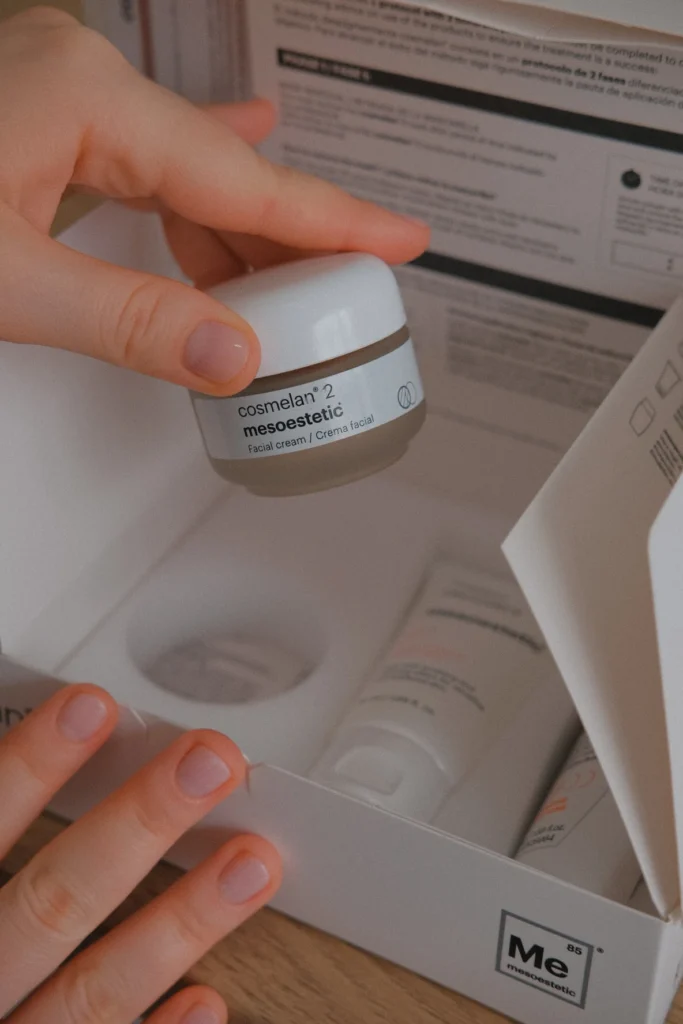
Cosmelan at Topaz is a structured, consultation-led depigmentation program rather than a one-time facial. The current service includes assessment and planning, an in-studio mask when treatment proceeds, individual removal and home-care instructions, daily sun protection, and follow-up. Topaz primarily uses it for melasma. The procedure and approximately three to four months of home care are included in the program.
The home phase is essential, and response depends on pigment, sensitivity, and adherence to the plan. Visible peeling and recovery can extend over a longer period. Results continue to develop over the following months; recurrence is possible, and no exact final-result date or permanent removal is promised. The listed appointment is the Cosmelan Peel Initial Consultation, not a simple peel facial.
BBL HERO
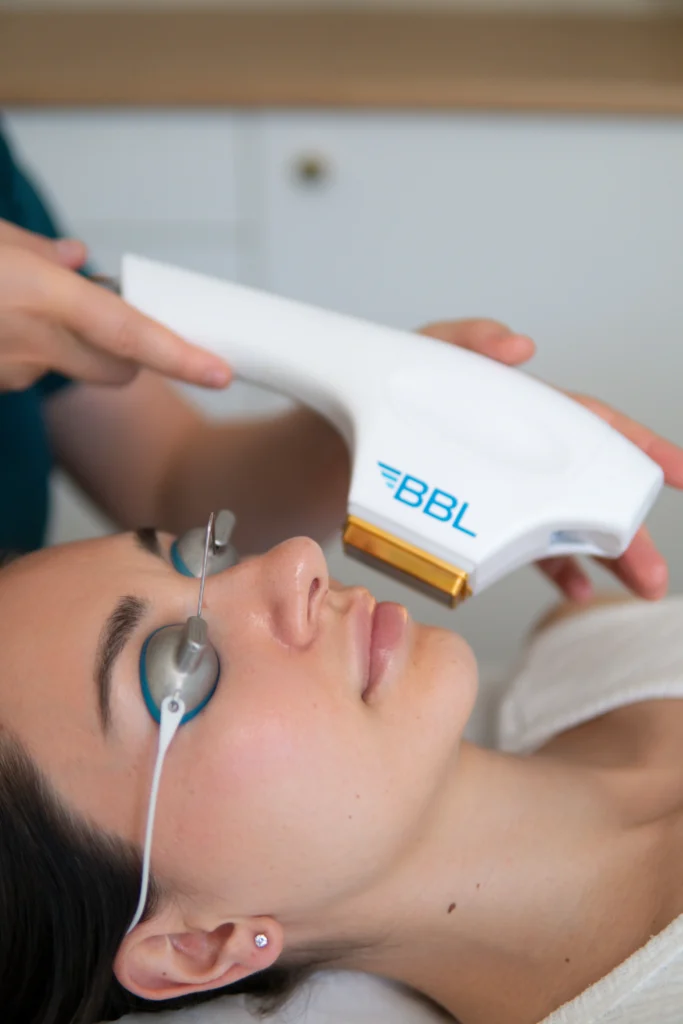
BBL HERO uses Sciton BroadBand Light in a photofacial tailored to selected visible sun damage, brown spots, and facial redness. It is not an ablative resurfacing laser. Topaz documents that treated pigment can temporarily darken before gradually flaking away, and that redness, warmth, or swelling may occur. Settings and treatment plans are selected for the individual rather than applied universally.
Skin type and pigment pattern require careful assessment. Topaz does not use BBL for melasma. Tanning and skin type can affect suitability, and not every brown spot is a suitable light target. Topaz generally advises sun avoidance for approximately two weeks before and after BBL, with individual instructions confirmed at assessment. Preparation, protective eyewear, and recovery guidance are part of the appointment.
Custom Chemical Peel
The Custom Chemical Peel is selected after assessment according to current skin condition, goals, and tolerance. Controlled exfoliation may support smoother, brighter-looking skin and may be adapted to selected tone concerns, but visible peeling is not the measure of success. The exact professional peel and aftercare depend on the skin in front of the practitioner. Superficial options can involve little visible recovery, while deeper options may involve several days; recovery is not one fixed timeline.
This option is distinct from Cosmelan and BBL. Retinoids or acids, waxing, procedures, cold sores, pregnancy, sun exposure, and active irritation can affect suitability. Skin should not arrive sunburned, broken, or freshly waxed.
Microneedling for selected post-acne marks
Microneedling at Topaz is documented for the appearance of texture, fine lines, and selected post-acne marks rather than as a universal sunspot treatment. Every current session includes the face and neck, LED light therapy, and barrier-supporting finishing care. It may be relevant when uneven texture and post-breakout marks are part of the concern, but suitability and recovery still need to be assessed individually.
Why the Strongest Treatment Is Not Always the Right Treatment
Aggressive exfoliation does not automatically produce a better or faster result. Skin that is recently irritated, sunburned, sensitized by active products, or still recovering from another procedure may need a simpler plan or more time. Combining peels, retinoids, scrubs, light-based treatment, and needling without coordination can add unnecessary stress and make aftercare harder to manage.
An assessment helps choose one objective, review contraindications, and set realistic expectations. Sometimes the right decision is to postpone. A customized facial may support comfort while a corrective treatment is planned for a more appropriate time. If sensitivity is part of the picture, the guide to facial treatments for dryness, dehydration, and sensitivity explains why current skin condition should guide the appointment.
What About Dark Marks After Breakouts?
Some people notice flat, lingering areas of discoloration after a breakout has resolved. These post-inflammatory-looking marks can be frustrating, but they are not all identical and should not be treated as proof of active acne or as a diagnosis. Colour, depth, skin tone, sensitivity, and whether breakouts are still occurring can all influence the plan.
A professional may discuss controlled exfoliation for selected superficial unevenness, Cosmelan when a structured depigmentation program is appropriate, or microneedling when post-acne marks and texture are relevant to the documented treatment goals. BBL is not automatically the answer for every dark mark. The safest choice comes from assessment rather than matching a procedure to a colour seen in a mirror.
At-Home Skincare Matters Too
Professional procedures are only one part of a pigmentation plan. A steady routine is usually easier to evaluate than frequently changing products or layering several strong actives at once.
- Cleanse gently and avoid scrubbing at visible marks.
- Use a moisturizer suitable for your skin and current treatment phase.
- Avoid unnecessary over-exfoliation or unmonitored at-home peel combinations.
- Introduce active ingredients carefully and pay attention to irritation.
- Use broad-spectrum sunscreen consistently and follow procedure-specific aftercare.
This is general cosmetic guidance, not a prescription. Products and timing should be adjusted around the treatment selected, existing conditions, and any advice from a healthcare professional.
Why Sun Protection Matters During a Pigmentation Treatment Plan
Professional treatment cannot prevent every future mark or remove the effects of future exposure. Sun protection helps reduce additional UV exposure while the skin is undergoing a pigmentation-focused plan, and it is especially important when a procedure temporarily increases sensitivity or when treated pigment is changing.
Broad-spectrum sunscreen, protective clothing, shade, and sensible timing outdoors can all be part of ordinary care. Follow the specific instructions given for the selected procedure, because a peel, BBL session, microneedling appointment, and Cosmelan program do not have identical preparation or recovery requirements.
When Should Pigmentation Be Checked by a Healthcare Professional?
Aesthetic professionals do not diagnose skin disease. Seek medical assessment for a new or rapidly changing spot, a lesion that bleeds, an unusual change in colour or shape, a persistent area that concerns you, or anything you are uncertain about. A dermatologist or other appropriate healthcare professional can determine whether medical evaluation is needed before cosmetic treatment.
Choosing a Pigmentation Treatment in Vancouver
When comparing pigmentation or sun damage treatments in Vancouver, look for a consultation process before stronger procedures, a clear explanation of why an option was selected, realistic expectations, and written preparation and aftercare. The practitioner should ask about recent sun exposure, current products and medications, previous reactions, and relevant health history. A fixed package is less useful than a plan that responds to the individual skin and the visible concern.
At Topaz, the current pigmentation-related services have distinct purposes and precautions. If you are unsure where to begin, the Initial Consultation with Skin Analysis provides a dedicated appointment to discuss concerns and suitable next steps before choosing a procedure.
Pigmentation-Focused Skin Treatments at Topaz Facial Studio
Topaz Facial Studio in Kitsilano, Vancouver offers consultation-led options for selected visible pigmentation, sun-related discoloration, uneven-looking tone, and post-acne marks. Current services include Cosmelan, BBL HERO, customized chemical peels, and microneedling where its documented texture and post-acne focus is relevant. Treatment selection depends on suitability; results and recovery vary.
Explore the treatment pages for preparation and aftercare details, or use the existing booking system to discuss your goals. A cosmetic appointment can help plan professional care, while any new or concerning skin change should be assessed medically first.
Frequently Asked Questions
What treatment is best for pigmentation in Vancouver?
There is no universal best treatment. The appropriate option depends on how the pigmentation looks, its history, your skin tone and current condition, recent sun exposure, previous treatments, and tolerance for recovery. At Topaz, options such as Cosmelan, BBL HERO, or a customized chemical peel use different approaches. A consultation helps determine whether one of them is suitable or whether treatment should wait.
Can sun damage be treated with a facial?
A customized facial may support hydration, surface smoothness, and a brighter-looking complexion, but ordinary facial care is not the same as a targeted pigmentation procedure. Topaz documents BBL HERO, Cosmelan, and customized chemical peels as distinct services with different selection and aftercare requirements. The right starting point depends on the visible concern and the condition of the skin, not simply on choosing the strongest facial.
Can pigmentation come back after treatment?
Visible pigmentation can recur or new areas can appear, depending on contributing factors, individual skin response, and future sun exposure. Results and timelines vary, and no professional procedure can guarantee permanent removal. Consistent sun protection, suitable home care, and following treatment-specific aftercare are important parts of a plan. If a spot changes or is concerning, seek medical assessment rather than treating it cosmetically.
Is Cosmelan suitable for all pigmentation?
No treatment is suitable for every person or every form of pigmentation. Topaz offers Cosmelan as a structured, consultation-led depigmentation program with an in-studio phase, required home care, follow-up, and daily sun protection. Suitability and expectations must be assessed individually. A cosmetic consultation does not diagnose a skin condition, and uncertain, new, or changing spots should be evaluated by an appropriate healthcare professional.
Can I have a pigmentation treatment during summer?
It depends on the procedure, recent and expected sun exposure, current skin condition, and your ability to follow aftercare. Summer is not an automatic prohibition, but some treatments require strict preparation and sun protection, and recent tanning or sunburn may mean postponing. Share travel and outdoor plans before booking so the practitioner can assess timing rather than applying one seasonal rule to everyone.
Because different pigmentation concerns can call for different approaches, a skin-analysis consultation can help you discuss suitability before choosing a service.